CNC turning for shafts, bushings, and fittings.
Turning for bores, threads, grooves, and round profiles. Live tooling adds cross-holes and flats where the part allows.

Keeping bores and diameters concentric.
The drawing defines how bores, shoulders, and outside diameters relate to one another. We plan turning and inspection around those requirements.
Live tooling can add cross-holes or flats without moving the part to another machine. Tool access and geometry determine which operations can share a setup.
Machining specifications.
Check the process, part size, and feature types below before preparing your request.
These specifications describe the fictional concept. They are not a production quotation or guarantee.
| Process | CNC turning with live tooling |
|---|---|
| Illustrative capacity | Ø 250 mm × 500 mm length |
| Features | Bores, threads, grooves, tapers, and profiles |
| Secondary operations | Cross-holes, flats, and milled details |
| Materials | Aluminum, stainless steel, titanium, engineering plastics |
| Inspection | First-piece, in-process, and final dimensional checks |
Achievable tolerances depend on geometry, material, feature size, and setup. Critical requirements are reviewed against the drawing.
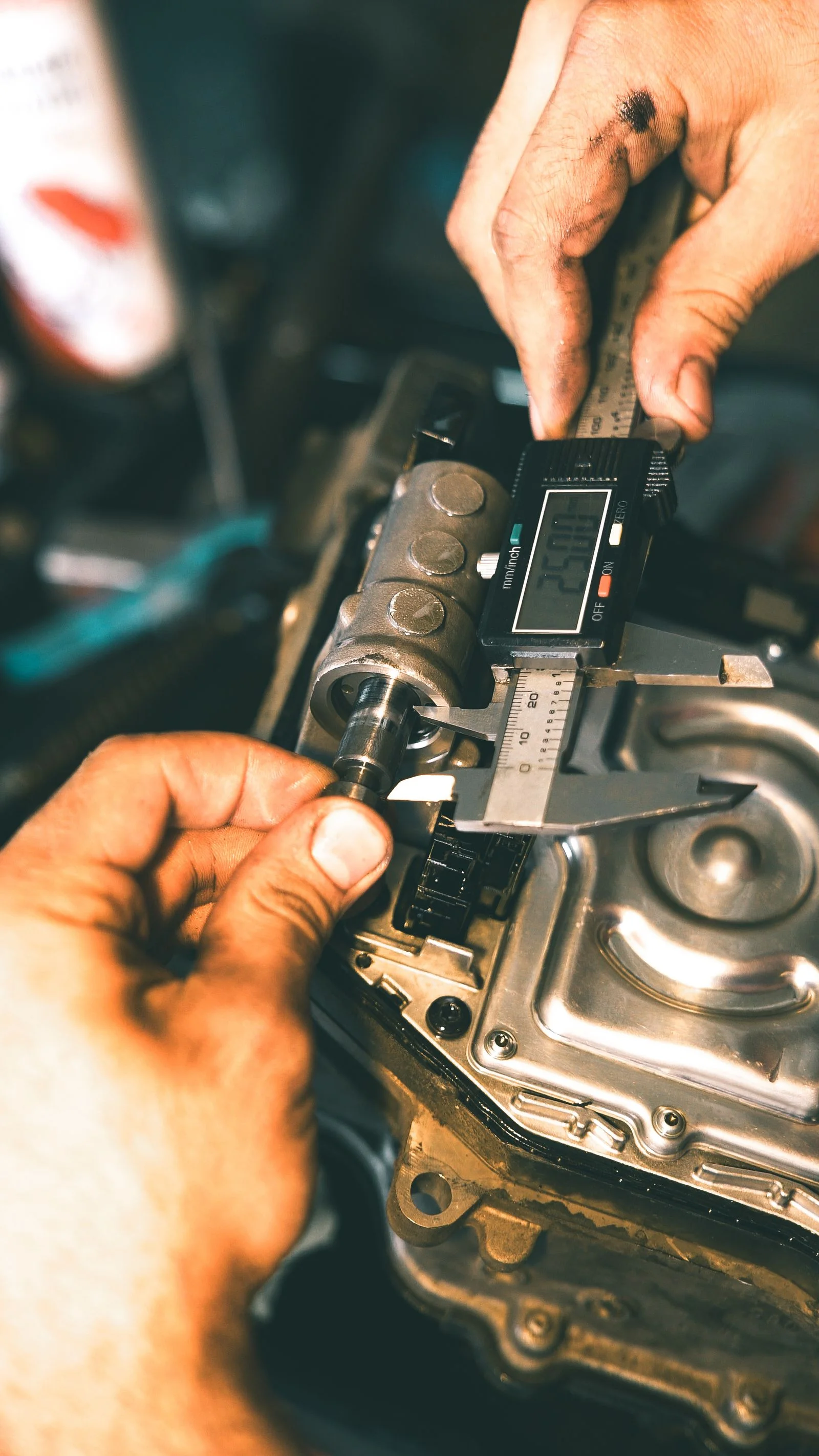
Common turned components.
Typical parts include bushings, sleeves, spacers, shafts, and threaded fittings. Parts with cross-holes or flats may also need milling.
See the applicationsMachining questions.
Which features are a good fit for CNC turning?
Cylindrical profiles, concentric diameters, grooves, bores, and threads are natural candidates. Off-axis holes and flats may be addressed with live tooling or a secondary milling operation.
What should be included with an RFQ?
Include a dimensioned drawing, a 3D model where available, material and finish requirements, quantity, and target delivery. Call out any inspection or documentation requirements.
Can a prototype become a repeat production part?
The process can be planned with future quantities in mind. Workholding, tooling, and inspection methods may change as volume grows; those decisions should be reviewed before production.
Request a machining quote.
Include the drawing, material, quantity, and required delivery date.
Start your quote